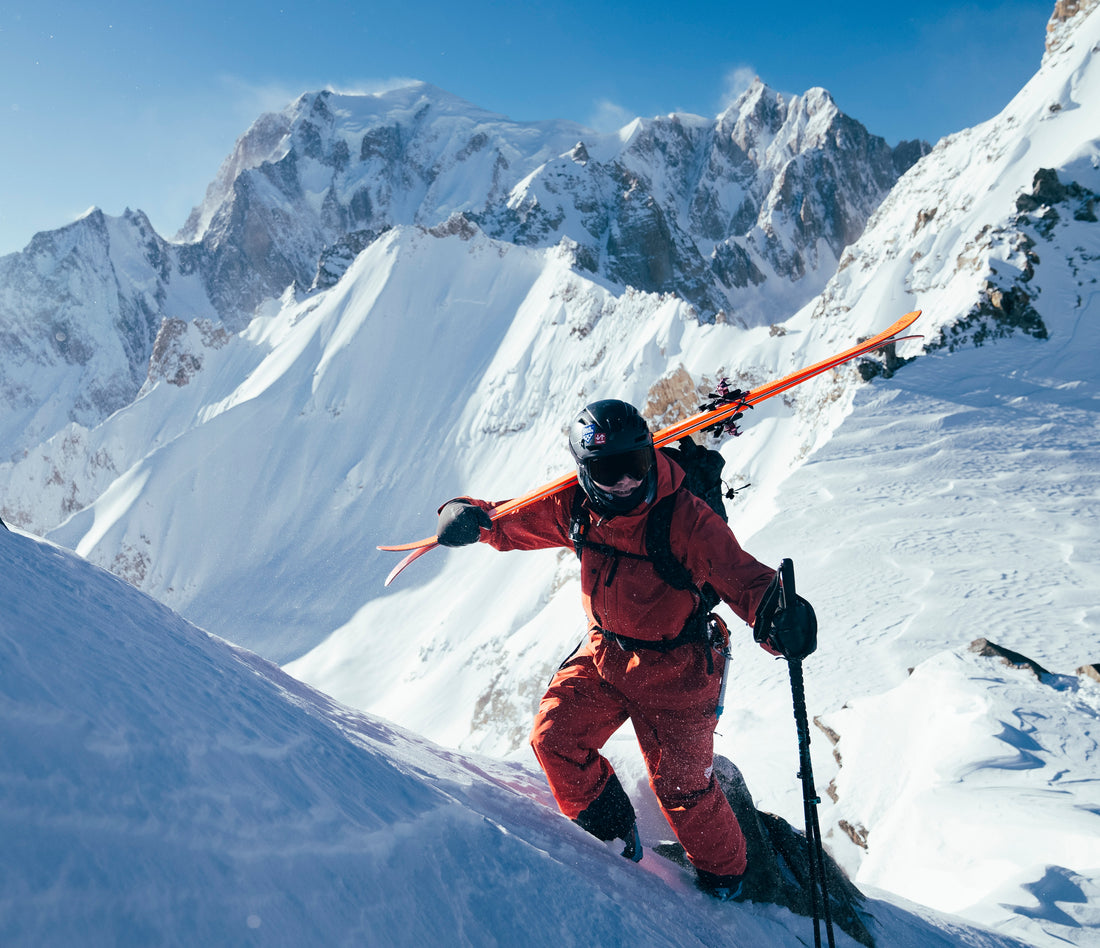
We write a lot about Japan. Resort guides, packing lists, layering systems. But there's nothing like actually being there, so this January I went and did the thing properly: Niseko, peak season, deep in the middle of Hokkaido winter.
Here's how it went.
Why January
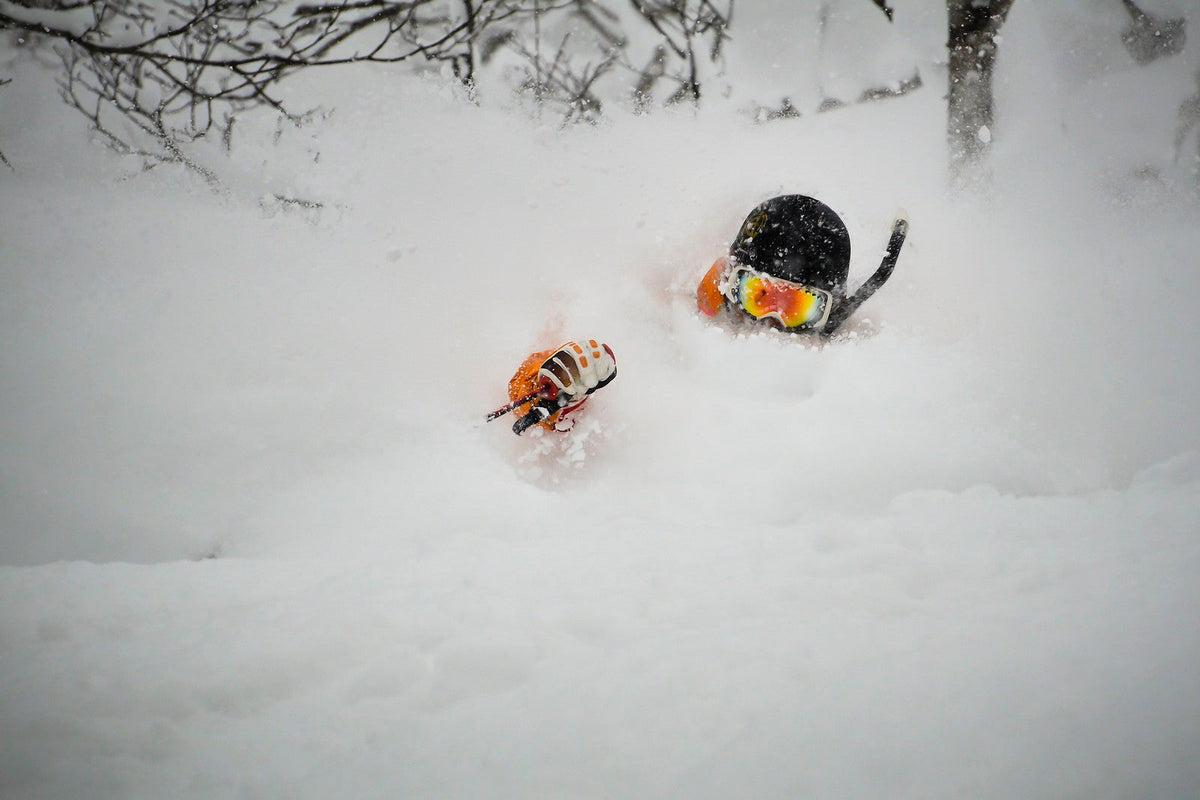
If you're going to Niseko for the snow, January is the month. The cold weather systems coming off Siberia settle in, the storms roll through one after another, and the snow that falls is about as light and dry as it gets anywhere in the world. It's cold, the days are short, and you spend a lot of time riding in the white. That's exactly the point.
It's also peak season, so you share the mountain. But once you get into the trees, the crowd disappears pretty quickly.
The favorite run: Strawberry Fields
If you ask me for one run from the trip, it's Strawberry Fields. Riding through the trees there was the highlight of the whole week.
This is what people mean when they talk about Japan tree riding. Niseko's forests are made up of birch trees spread out just far enough apart to pick a line, with deep, light snow filling everything in between. You're not fighting your way through tight, scrappy trees like at a lot of resorts. You're weaving and floating, picking your gaps, trying to keep your speed up and your eyes up.
It's the kind of run you want to do again the second you get to the bottom.
A word of warning: tree riding in deep snow comes with real risks, especially tree wells. Always ride with a buddy, keep them in sight, and stick to terrain that's open. Read our guide to Japan backcountry and avalanche safety before you head into the trees.
The kit
Hokkaido in January is properly cold, and a week of storm riding is a good test of any layering system. Here's what I wore.
Heavyweight Grid Fleece base layers
For January in Hokkaido, I went straight to our warmest base layers: the Heavyweight Grid Fleece Crew and Bottom (also in womens). The grid structure traps warm air in its channels while still letting moisture escape, which is exactly what you want when you're alternating between cold chairlifts and hard work in deep snow. And because it's merino, you can re-wear it day after day on a trip without it smelling.
Midweight Mesh Merino Balaclava
Riding trees in the cold means breathing hard with your face covered. The Midweight Mesh Merino Balaclava has a mesh panel across the nose and mouth for airflow when you're working hard, with midweight merino everywhere else to keep the cold out on the lift. It sits under your helmet and goggles so there's no exposed skin on the windy days.
Xavier De Le Rue Pro Series socks
On my feet, the Xavier De Le Rue Pro Series Light Cushion Merino Snow Sock. Designed with one of the greatest snowboarders of our generation, it has light cushioning placed for the pressure points of snowboard boots and bindings, plus ventilation panels for airflow. It's a precise, close fit that doesn't bunch underfoot, which is what you want when you're making lots of quick turns through the trees.
If you're planning your own Niseko trip
- Get into the trees. That's what Niseko is famous for, and for good reason.
- Dress for the cold. January in Hokkaido calls for your warmest layers. Our Japan layering guide covers the full system.
- Pack a balaclava. You'll want it on the lift. Here's how to choose one.
- Plan the rest. Our Niseko ski guide covers the four resorts, the gates and getting there, and the Japan packing list has everything else.
Find everything you need for your own trip in the LÉ BENT JAPOW Hub.
The Niseko Kit
Built for Hokkaido Cold
Heavyweight Grid Fleece base layers, a mesh merino balaclava and Pro Series snow socks. Everything you need for a January in the trees.
BUILD YOUR SYSTEM