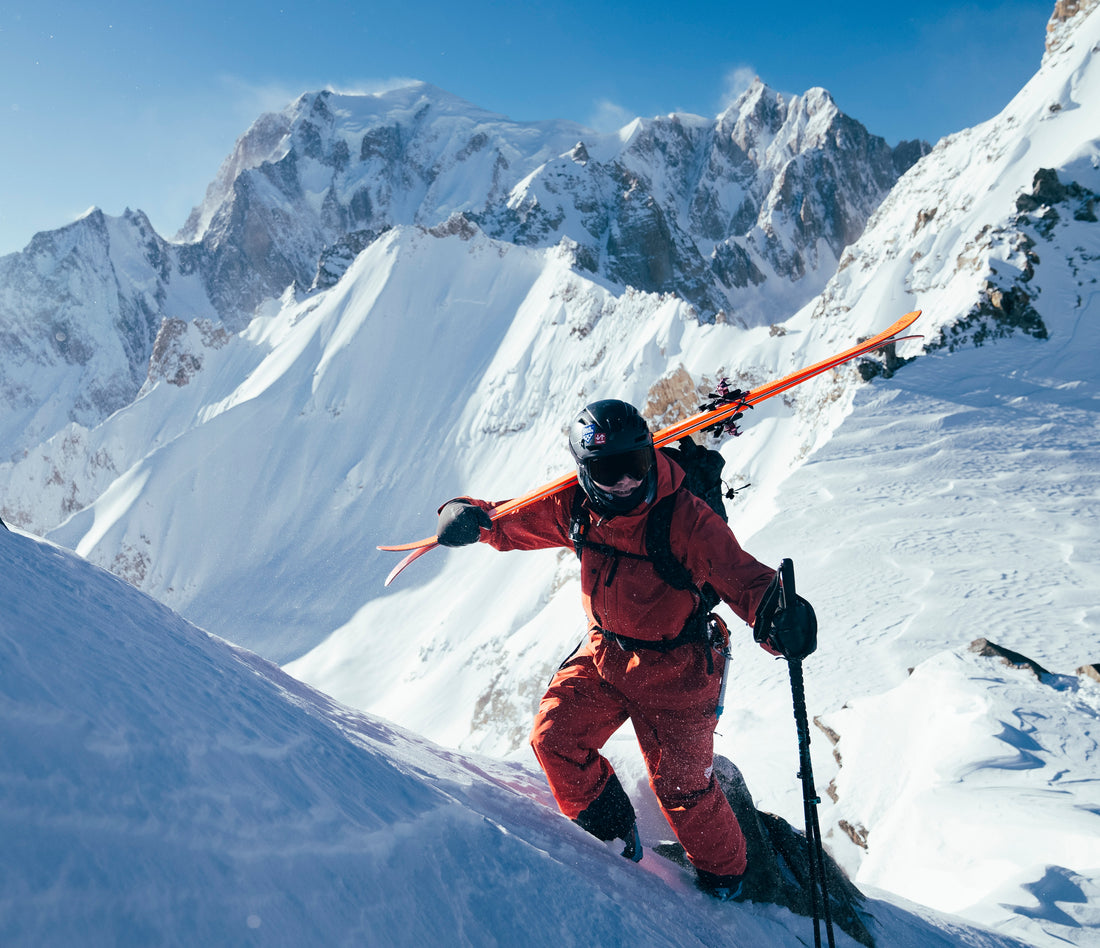
Japan's snow is famous for a reason, but the storms that bring it are cold, wet and relentless. One day it's -15°C (5°F) on the gondola, the next you're sweating on a skin track in a whiteout. Get your layering right and you'll spend the day chasing pow. Get it wrong and you'll spend it shivering or soaked.
Here's the system we use.
The system: base, mid, outer, socks
Base regulates temperature against your skin. Mid traps warm air while staying breathable. Outer keeps the storm out. Socks decide how your boots fit and feel. Skip a layer or overdo one and you'll either freeze on the chair or sweat through everything by lunch.
Base layer: merino blend, every time
Your base layer is the foundation. Merino blend regulates temperature whether you're sitting on a frozen chairlift or working hard in deep snow, and it doesn't hold onto odor after days of re-wearing. That matters when you're packing light for a week away.
Our Signature Merino Blend™ combines merino with bamboo rayon, which wicks moisture away from your skin fast enough that odor-causing bacteria never get a chance to build up. Hang it up overnight and it's fresh the next morning.
Which weight?
- Midweight: The all-rounder for most Japan days.
- Heavyweight Grid Fleece: For deep Hokkaido cold, riders who run cold, or long days sitting on lifts.
- Lightweight: For touring, spring skiing or if you run hot.
Don't forget the bottoms. A base layer bottom makes a bigger difference on a cold chairlift than most people expect.
Mid layer: breathability over bulk
Grid fleece beats plain fleece. The channels trap warm air while letting your base layer breathe. This is the layer that comes on and off ten times a day, so breathability matters more than raw warmth. Warm but not breathable just means you sweat inside your jacket, and wet is colder than cold.
Outer layer: actually waterproof
Japan's snow runs wetter than most people expect. You need a proper waterproof shell (not "water-resistant") with taped seams, or an insulated jacket if you run cold and hate carrying a mid layer. A Niseko storm cycle will find every gap.
Socks: the most underrated layer
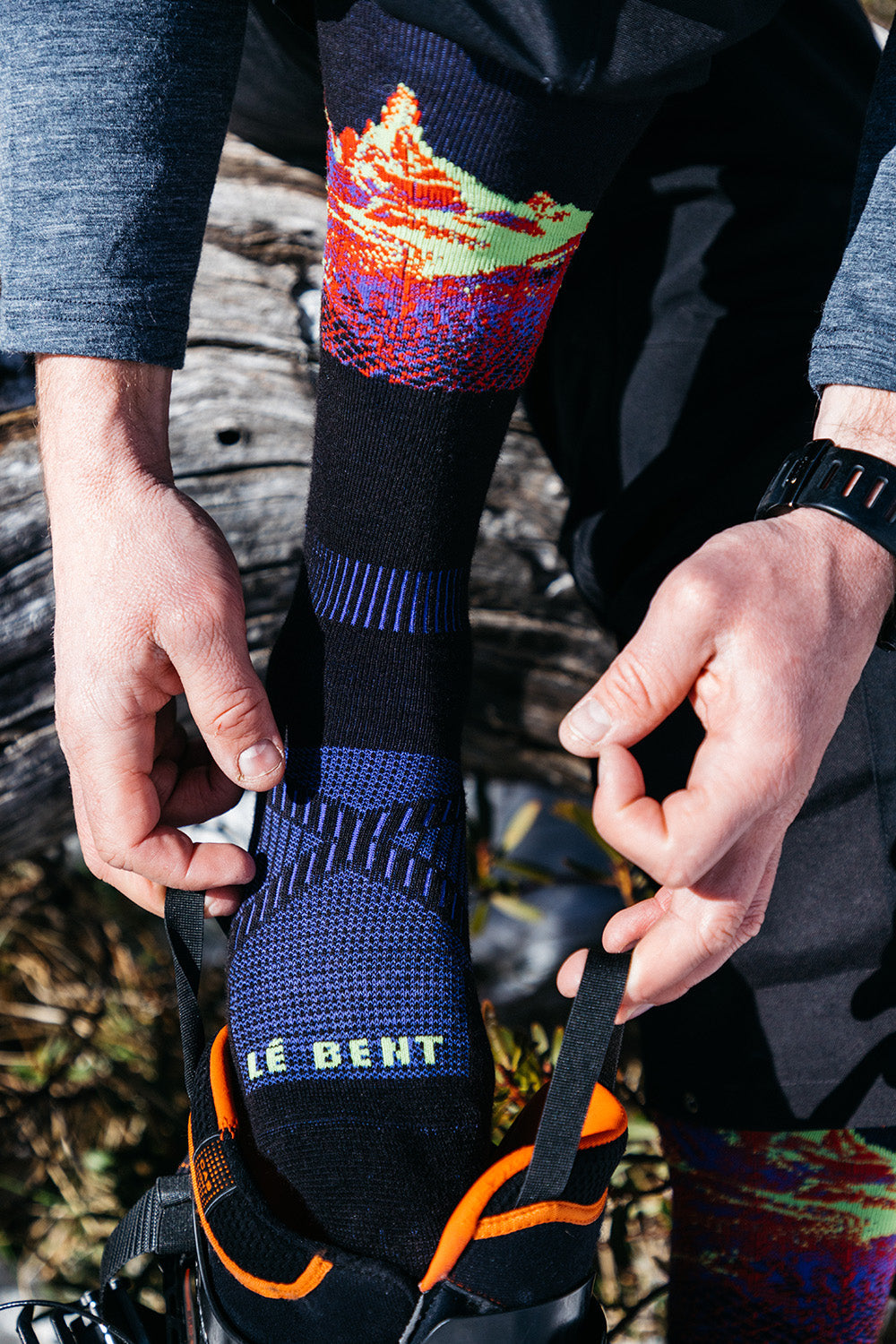
One good pair of snow socks does more for your day than almost anything else. Cushioning is about fit and feel, not warmth. A sock that's too thick throws off your boot fit and dulls the feedback from your skis or board.
- Zero Cushion: The most precise, responsive boot fit.
- Light Cushion: Precision with a little extra comfort.
- Targeted Cushion: Padding exactly where you need it. The Goldilocks option.
- Full Cushion: Maximum comfort over long days.
Pack at least four pairs for a week so you always have a dry pair ready.
Face and neck: pack both
A neck gaiter pulls on and off in seconds and covers most days. A balaclava covers your full face under your helmet for brutal wind and whiteout days. In Japan, pack both.
Bonus: stop your goggles fogging
Fogging is mostly a heat and moisture problem. Never push your goggles up onto your helmet or beanie between runs, because trapped head sweat is the biggest culprit. Stash them in a pocket instead, and wipe (don't rub) the inside if they do fog.
Build your system
Not sure where to start? We've bundled our best Japan-ready layers into cart-ready kits in the JAPOW Hub. Pick the one that matches your build and how cold you run.
Frequently Asked Questions
What should I wear skiing in Japan?
A merino blend base layer, a breathable grid fleece mid layer, a fully waterproof shell, merino snow socks, and a neck gaiter or balaclava.
Is merino or synthetic better for skiing in Japan?
Merino regulates temperature better and resists odor after multiple wears, which suits multi-day trips. Synthetic dries faster but holds onto smell by day three.
What base layer weight is best for Hokkaido?
Midweight suits most days. Heavyweight grid fleece is ideal for Hokkaido's coldest days or if you run cold.
How thick should ski socks be?
Thinner than most people think. Cushioning affects fit and feel rather than warmth, so choose based on how you want your boots to feel.