Say "Japan ski trip" and most people picture one place. In reality it's hundreds of mountains across completely different regions, each with its own snow, terrain and feel. For most trips, the first big decision is Hokkaido or Nagano.
Here's our honest read. Opinion, not gospel.
Hokkaido: the powder capital
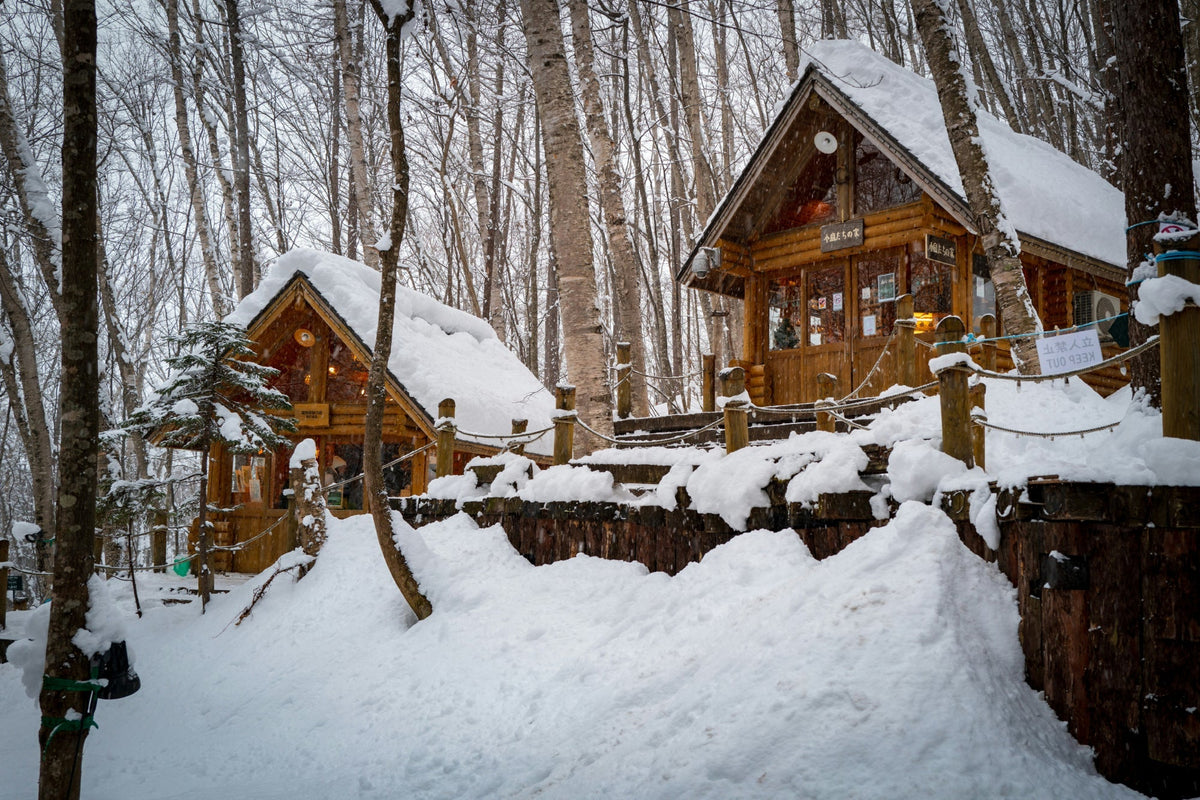
Japan's northernmost main island is where the JAPOW legend started. Cold air coming off Siberia over the Sea of Japan produces some of the lightest, driest snow on the planet, and lots of it.
Go to Hokkaido if you want:
- The most consistent deep powder in Japan
- Mellow, gladed tree runs rather than steep alpine faces
- Easy logistics via New Chitose Airport near Sapporo
Where to look:
- Niseko: The name that started it all. Deep, reliable, international and busy, for good reason.
- Rusutsu: Niseko's quieter neighbor. Same storms, a fraction of the crowd, incredible tree runs.
- Furano: A genuine Hokkaido town that happens to have a mountain, not the other way around.
- Kiroro: Ski-in/ski-out convenience with some of the lightest snow you'll find anywhere.
- Asahidake: Barely a resort at all. One ropeway, volcanic terrain and some of Japan's wildest backcountry.
Nagano: alpine terrain and onsen towns
On the main island of Honshu, Nagano hosted the 1998 Winter Olympics and has a very different character. The mountains are bigger and steeper, the villages older, and it's within reach of Tokyo by bullet train.
Go to Nagano if you want:
- Bigger, steeper alpine terrain
- Traditional onsen villages and more culture off the hill
- To combine skiing with time in Tokyo
Where to look:
- Hakuba: Ten resorts, one valley. Big alpine terrain that feels more European than anywhere else in Japan.
- Nozawa Onsen: A proper onsen town with a mountain attached. Thirteen public bathhouses and a lot of soul.
- Shiga Kogen: Japan's largest ski area. Eighteen connected resorts, one lift pass, endless terrain.
- Myoko: Huge dumps, volcanic terrain and a rougher-around-the-edges feel than its neighbors.
- Madarao: Small, snowy, tree-run heavy, and about as under-the-radar as Nagano gets.
The quick comparison
- Snow: Hokkaido is lighter, drier and more consistent. Nagano gets huge dumps but can be heavier and more variable.
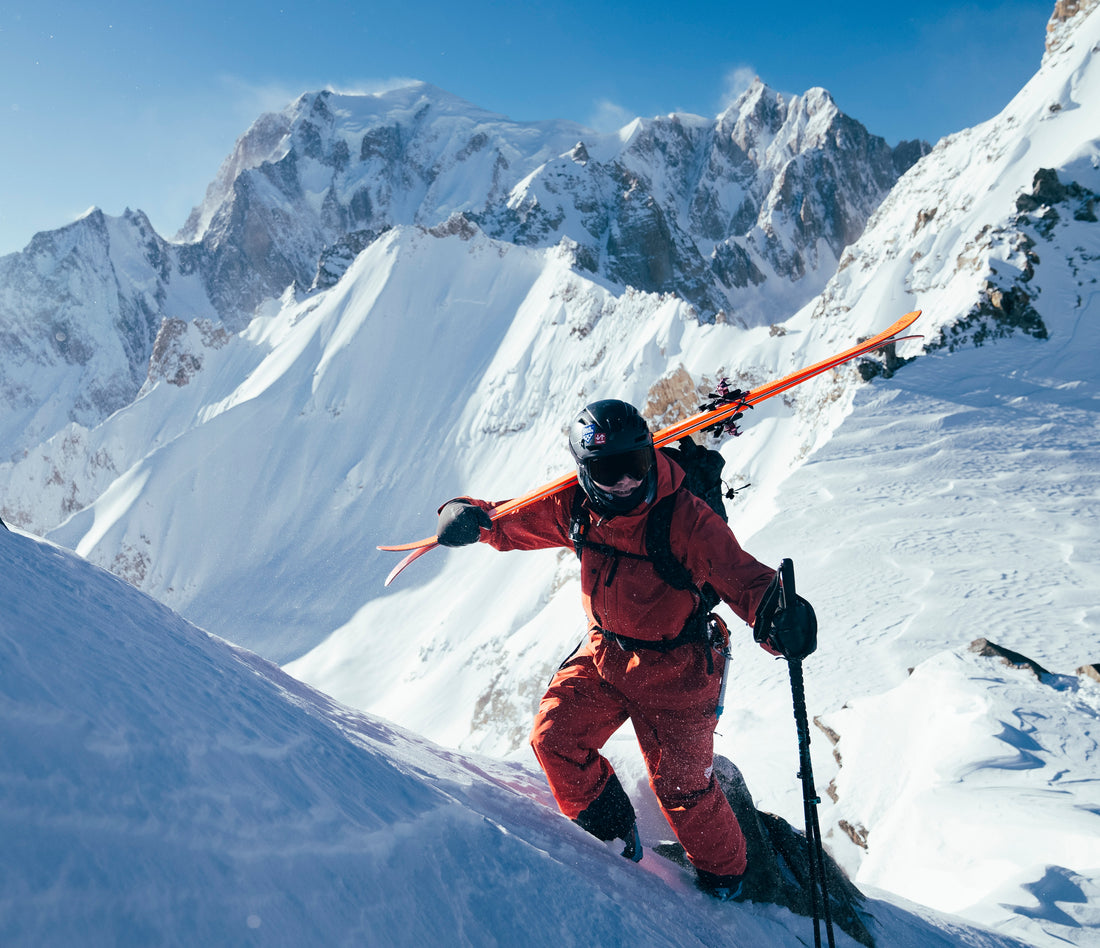
- Terrain: Hokkaido means rolling trees and mellow pitches. Nagano means steeper, bigger alpine lines.
- Vibe: Hokkaido is more resort-focused. Nagano is more village, onsen and culture.
- Access: Hokkaido is a domestic flight to Sapporo. Nagano is a bullet train from Tokyo.
Don't forget Tohoku
Between the two sits Tohoku, Japan's under-the-radar ski region. Zao Onsen's frozen "snow monster" trees, Appi Kogen's long groomers and Geto Kogen's enormous snowfall are all worth a look if you want to get away from the international crowd.
Whichever you pick, layer for it
Hokkaido's cold and Nagano's storm cycles call for the same thing: a proper layering system. Merino blend base layers to regulate temperature, a breathable grid fleece mid layer and good snow socks. Read our Japan layering guide or explore every resort in the JAPOW Hub resort guides.
Frequently Asked Questions
Does Hokkaido or Nagano have better snow?
Hokkaido is known for lighter, drier and more consistent powder. Nagano still gets huge snowfall but it can be heavier and more variable.
Which is better for beginners, Hokkaido or Nagano?
Both have good beginner terrain. Hokkaido's mellower pitches and resorts like Niseko suit beginners well, while Nagano spots like Karuizawa Prince are easy to reach from Tokyo.
Can I ski Hokkaido and Nagano on the same trip?
Yes, with a domestic flight between Sapporo and Tokyo, but for shorter trips we recommend picking one region and exploring it properly.