
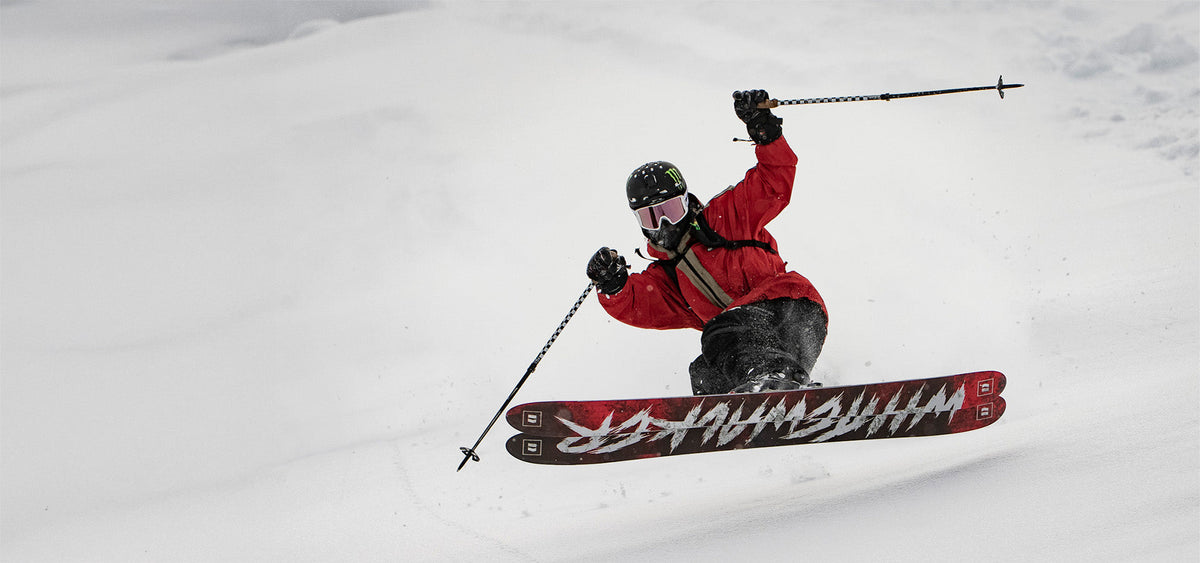
JAPOW
The Le Bent guide to chasing Japan's deepest snow. Everything you need to know before you chase the deep stuff.
Traveler Hub
Japan is one of those places where the more you know before you go, the better the trip gets. Where to go. When to go. What to pack. How to get around. What not to do. Where to chase powder. Where to stay. We've pulled it all together — from the people at Lé Bent who keep going back.
Gear Guides
Before anything else, get the layering system right. Base, mid, outer, socks — this is the one piece of the puzzle that decides whether you spend the day chasing pow or shivering through it. Everything below builds on this.
How to layer for Japan
Breathability vs warmth
Choosing the right sock cushioning
Gaiter vs balaclava: what's essential for Japan?
What to pack for a Japan ski trip
Merino vs synthetic for cold, wet conditions
How to keep merino fresh without washing it every single day
How to stop your goggles fogging up in Japan's humidity
Build your system
Not sure where to start? We've bundled our best Japan-ready layers into cart ready kits. Pick the one that matches your build and how cold you run.
Resort Guides
Japan isn't one ski destination — it's hundreds of mountains, towns and microclimates. Hokkaido's tree runs feel nothing like Nagano's onsen villages, and a “quiet” resort in March looks very different in a January storm cycle. Here's our honest read on the resorts worth knowing — opinion, not gospel.
 Hokkaido
Niseko
The name that started it all. Deep, reliable, international and busy — for good reason.
Explore resort → Hokkaido
Rusutsu
Niseko's quieter neighbor. Same storms, a fraction of the crowd, incredible tree runs.
Explore resort → Hokkaido
Furano
A genuine Hokkaido town that happens to have a mountain, not the other way around.
Explore resort → Hokkaido
Kiroro
Ski-in/ski-out convenience with some of the lightest snow you'll find anywhere.
Explore resort → Hokkaido
Asahidake
Barely a resort at all — one ropeway, volcanic terrain, and some of Japan's wildest backcountry.
Explore resort → Nagano
Hakuba
Ten resorts, one valley. Big alpine terrain that feels more European than anywhere else in Japan.
Explore resort → Nagano
Nozawa Onsen
A proper onsen town with a mountain attached — thirteen public bathhouses and a lot of soul.
Explore resort → Nagano
Shiga Kogen
Japan's largest ski area — eighteen connected resorts, one lift pass, endless terrain.
Explore resort → Nagano
Madarao
Small, snowy, tree-run heavy, and about as under-the-radar as Nagano gets.
Explore resort → Nagano
Myoko
Huge dumps, volcanic terrain, and a rougher-around-the-edges feel than its neighbors.
Explore resort → Hokkaido
Tomamu
A self-contained resort village built around Hoshino Resorts — cloud sea views, ski-in/ski-out ease, and none of the Niseko chaos.
Explore resort → Hokkaido
Sapporo Teine
Ocean views over the Sea of Japan, city convenience, and a genuine local's mountain twenty minutes from downtown Sapporo.
Explore resort → Hokkaido
Kamui Ski Links
Asahikawa's local hill — steep, snowy, and about as far from an international crowd as Hokkaido gets.
Explore resort → Nagano
Karuizawa Prince
Small, manicured and easy — a beginner-friendly hill an hour from Tokyo with an outlet mall next door for the non-skiers in your group.
Explore resort → Nagano
Togakushi Kogen
Ancient cedar forests, a shrine pilgrimage route, and a genuinely quiet mountain twenty minutes from Nagano city.
Explore resort → Tohoku
Zao Onsen
Famous for its frozen “snow monster” trees and some of the most sulfurous, skin-softening onsens in the country.
Explore resort → Tohoku
Appi Kogen
Long, wide, perfectly groomed runs through white birch forest — built for cruising, not crowd-fighting.
Explore resort → Tohoku
GALA Yuzawa
A ski resort built into a Shinkansen station — seriously, you can be on the slopes eighty minutes after leaving Tokyo.
Explore resort → Tohoku
Naeba
A genuine Niigata powder magnet, connected by gondola to Kagura for one of Honshu's biggest lift-linked terrain networks.
Explore resort → Tohoku
Geto Kogen
One of the snowiest resorts in Japan, full stop — deep, unglamorous, and almost entirely off the international radar.
Explore resort →Hover a pin to explore a resort.
On mobile, tap a pin.
HokkaidoNiseko
The name that started it all. Deep, reliable, international and busy — for good reason.
Explore resort →HokkaidoRusutsu
Niseko's quieter neighbor. Same storms, a fraction of the crowd, incredible tree runs.
Explore resort →HokkaidoFurano
A genuine Hokkaido town that happens to have a mountain, not the other way around.
Explore resort →HokkaidoKiroro
Ski-in/ski-out convenience with some of the lightest snow you'll find anywhere.
Explore resort →HokkaidoAsahidake
Barely a resort at all — one ropeway, volcanic terrain, and some of Japan's wildest backcountry.
Explore resort →NaganoHakuba
Ten resorts, one valley. Big alpine terrain that feels more European than anywhere else in Japan.
Explore resort →NaganoNozawa Onsen
A proper onsen town with a mountain attached — thirteen public bathhouses and a lot of soul.
Explore resort →NaganoShiga Kogen
Japan's largest ski area — eighteen connected resorts, one lift pass, endless terrain.
Explore resort →NaganoNaganoMyoko
Huge dumps, volcanic terrain, and a rougher-around-the-edges feel than its neighbors.
Explore resort →HokkaidoTomamu
A self-contained resort village built around Hoshino Resorts — cloud sea views, ski-in/ski-out ease, and none of the Niseko chaos.
Explore resort →HokkaidoSapporo Teine
Ocean views over the Sea of Japan, city convenience, and a genuine local's mountain twenty minutes from downtown Sapporo.
Explore resort →HokkaidoKamui Ski Links
Asahikawa's local hill — steep, snowy, and about as far from an international crowd as Hokkaido gets.
Explore resort →NaganoKaruizawa Prince
Small, manicured and easy — a beginner-friendly hill an hour from Tokyo with an outlet mall next door for the non-skiers in your group.
Explore resort →NaganoTogakushi Kogen
Ancient cedar forests, a shrine pilgrimage route, and a genuinely quiet mountain twenty minutes from Nagano city.
Explore resort →TohokuZao Onsen
Famous for its frozen “snow monster” trees and some of the most sulfurous, skin-softening onsens in the country.
Explore resort →TohokuAppi Kogen
Long, wide, perfectly groomed runs through white birch forest — built for cruising, not crowd-fighting.
Explore resort →TohokuGALA Yuzawa
A ski resort built into a Shinkansen station — seriously, you can be on the slopes eighty minutes after leaving Tokyo.
Explore resort →TohokuNaeba
A genuine Niigata powder magnet, connected by gondola to Kagura for one of Honshu's biggest lift-linked terrain networks.
Explore resort →TohokuGeto Kogen
One of the snowiest resorts in Japan, full stop — deep, unglamorous, and almost entirely off the international radar.
Explore resort →Don't Be the Person Buying Gear at Don Quijote on Day Two.
Tick off what you've already got, see what's missing, then grab the full list before you fly.
Snow Gear
Travel
Japan Essentials
Get the Japan Packing List
The full, printable version. Plus exclusive deals, fresh stories from the field, early access to new gear and the occasional adventure worth following.
Buy a Home in Japan
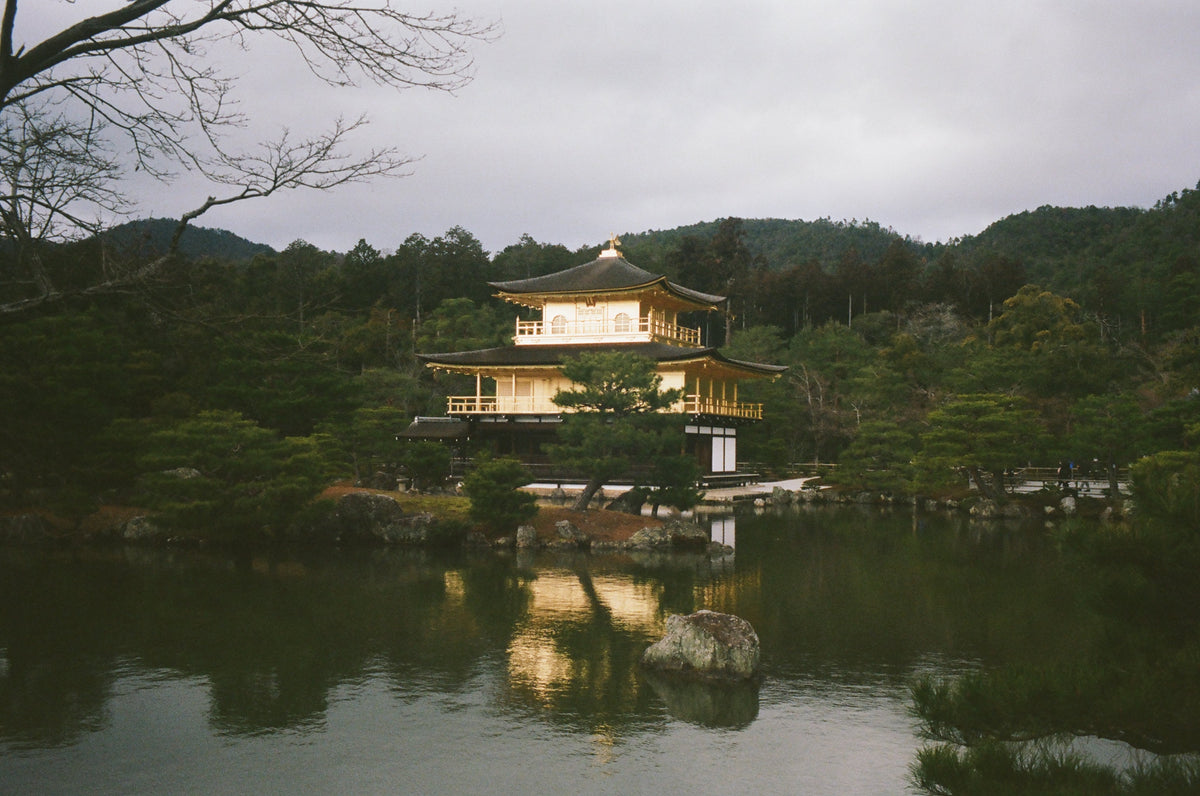
We handle the chaos, you get the keys.
Japanese real estate, handled by people who actually own property in Japan. YukiHomes was started by property owners who experienced the roadblocks of buying in Japan firsthand. Now, they help buyers from around the world find homes anywhere in Japan, with genuine local expertise and end-to-end guidance
Explore propertiesRespect the Mountain
Because you saw someone else do it doesn't make closed terrain open. Ropes and gates exist because of avalanche risk, not bureaucracy.
Some resorts run gate systems for backcountry access. Learn how they work at your specific resort before you assume anything's unlimited.
Ryokans, some cafes, plenty of accommodation — if there's a step and slippers by the door, your ski boots aren't coming any further.
Wash thoroughly before you get in. No swimwear. No towels in the water. Tattoos may need covering or a tattoo-friendly onsen — check ahead.
Accommodation walls are often thin and neighbors are often asleep. Save the après energy for the après venue.
Trash cans are genuinely hard to find in Japan. Carry a small bag for your own trash until you find one.
Stories
 Japow
Japow Japow
Japow Japow
Japow








